IPL 2026
Why Young Cricketers Now Plan Around The Auction
The prospect of a franchise contract has become the organising goal of many junior careers, changing which skills are practised and when players turn professional.
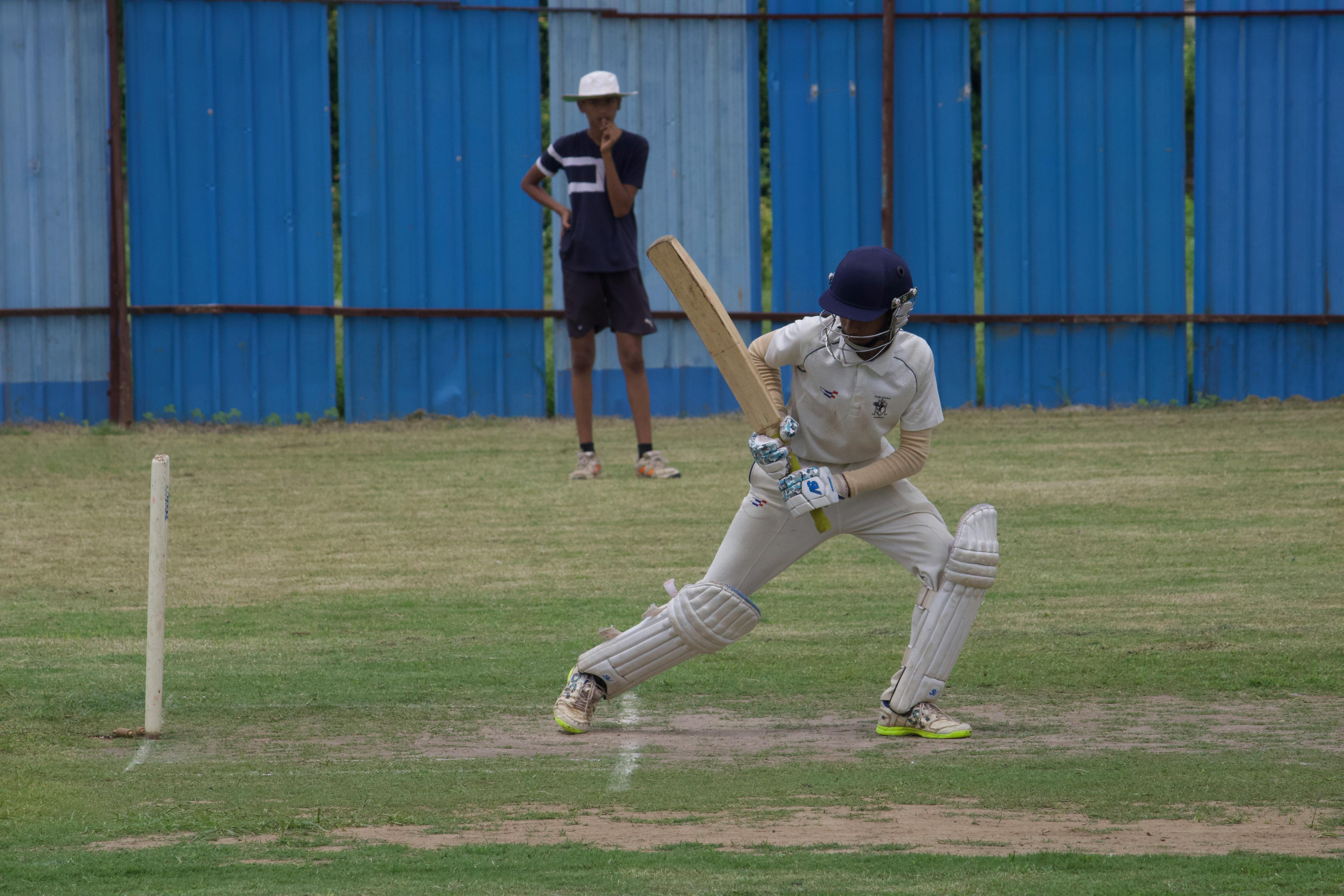
For a generation of young cricketers the first professional milestone is no longer a domestic cap. It is being picked up at an auction, and that reframing has changed how they train.
The reward arrives much earlier
A traditional path required years of domestic performance before any meaningful income, with international selection as the point at which cricket became financially viable.
An auction can deliver a professional income to a teenager with a short record, which compresses the period of unpaid commitment dramatically.
That has made cricket a more plausible choice for families who previously could not fund a decade of uncertain development.
Skill priorities have shifted
Franchises buy identifiable, demonstrable capabilities: hitting from ball one, bowling at the death, fielding in the ring. Those are what young players now practise hardest.
The classical virtues of the long format, patience and the ability to build an innings across sessions, are harder to display to a scout watching short-format footage.
Coaches at academy level report having to argue for the value of skills that no longer have an obvious market, which is a new kind of conversation.
Exposure matters as much as output
Being seen has become a distinct objective, since scouting relies on video, data feeds and the recommendations of a relatively small network of talent managers.
Players in well-covered state or regional competitions are therefore advantaged over equally good players in less visible ones.
Some franchises have addressed this with their own trials and development leagues, which extends their reach and also deepens their influence over young careers.
The failure case is harsh
A player who builds a career plan around being bought and is not bought has few alternatives, since the skills emphasised may not fit domestic long-format selection.
The auction is also a single annual event, so an unsuccessful year means twelve months before the next opportunity, with no partial outcome available.
Player associations have begun advising young cricketers to maintain a domestic pathway explicitly, on the argument that the auction is a bonus rather than a plan.
What boards are doing about it
Several boards have raised domestic pay and increased the number of professional contracts, aiming to keep a viable career available to players the franchises overlook.
Others have tied eligibility for the league to domestic participation, which forces players to remain inside the structure that develops long-format cricketers.
Both approaches accept the auction's central place rather than resisting it, treating the task as making the alternative survivable rather than making it preferable.