Basketball
The Purpose Of A Two-Way Deal
Hybrid contracts let a player move between a top-flight roster and a development league without being released, solving a scarcity problem created by strict roster limits.
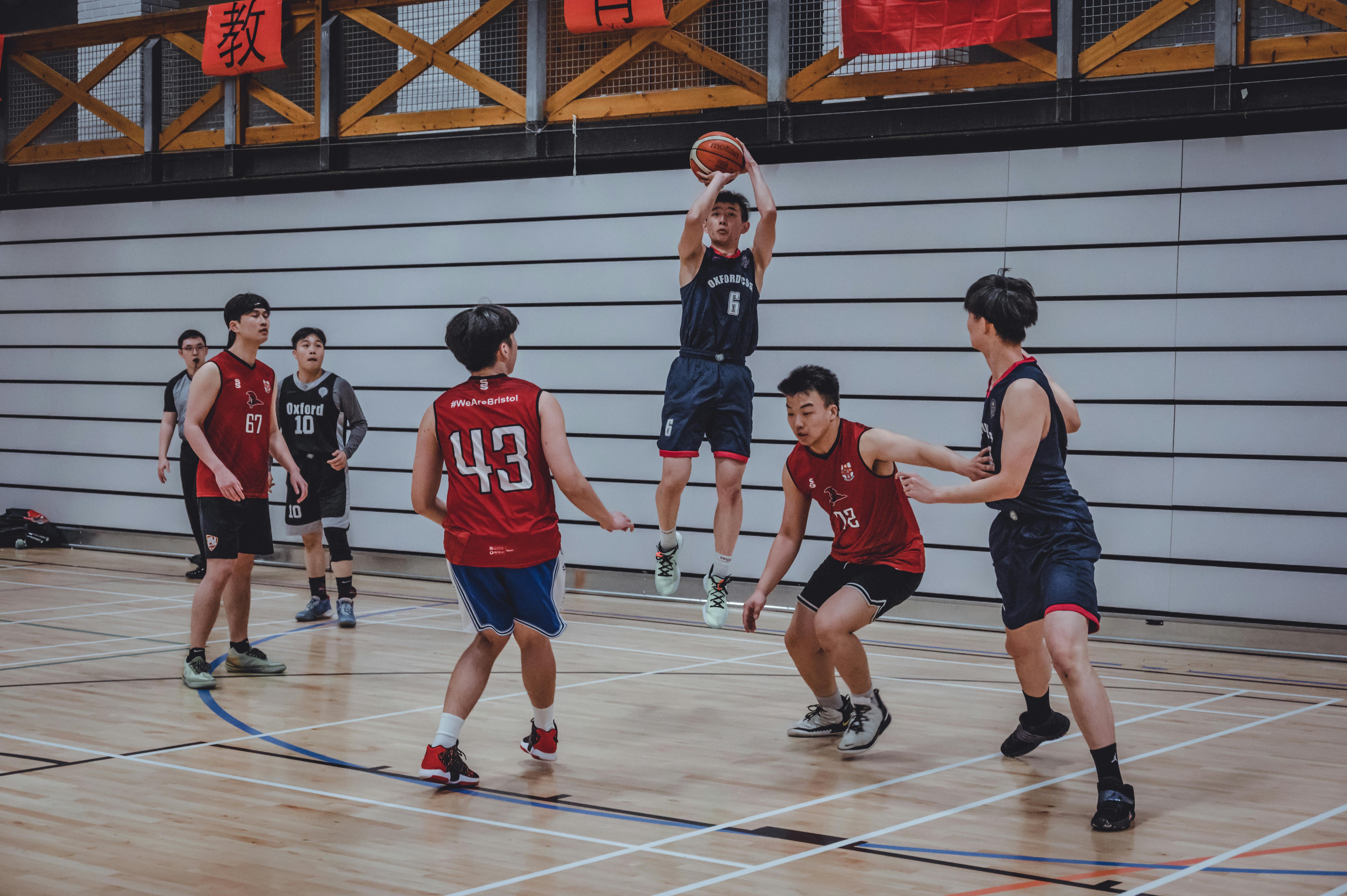
Roster limits mean a top-flight basketball team can carry only a small number of players. Two-way contracts were created to hold additional players without spending one of those places.
Roster limits create an artificial cliff
A hard limit on how many players may be under standard contract means promising prospects are released not because they lack ability but because there is no room.
Once released, they can be signed by any rival, so the developing team loses the investment it made in coaching and conditioning.
A hybrid contract solves this by attaching the player to the organisation while placing him mainly in the affiliated development league.
The player gains access and loses certainty
A two-way player trains within a professional organisation, uses its medical and coaching resources, and is available for call-up when injuries create an opening.
The pay is structured around where he is playing, so a season spent mainly in the lower league earns considerably less than a standard contract.
Limits on how many days he may spend with the senior team mean the organisation is constantly managing an allocation as well as a player.
It reshaped the development league
Affiliated leagues were previously filled with players whose contracts had no relationship to the senior team, which weakened the incentive to develop rather than to win.
With hybrid contracts, a meaningful proportion of the roster is directly connected to a parent organisation with an interest in individual improvement.
Coaching in those leagues has correspondingly shifted toward development objectives set by the parent club rather than by the affiliate's own results.
The call-up is the whole point
Injuries at senior level are frequent and often sudden, and a team needs a player who already knows its systems rather than one signed off the market.
A two-way player is therefore an insurance policy that trains itself, which is why the mechanism was adopted quickly once introduced.
For the player, the call-up is an audition conducted under maximum pressure and minimum preparation, and performing in it is the main route to a standard contract.
Where it sits in a career
The contract type suits players at the boundary: late draft picks, undrafted graduates and returning professionals rebuilding after a spell abroad.
It is not intended as a long-term position, and players who remain on hybrid terms for several seasons are generally being told something about their prospects.
Its value is that it keeps a career alive during the years when the alternative was leaving the country entirely, which changed the calculation for a large group of marginal professionals.