Athletics
Why Retirement Arrives Suddenly In Track And Field
Athletics careers tend to end abruptly rather than tapering, because funding, sponsorship and selection all depend on results that decline faster than an athlete expects.
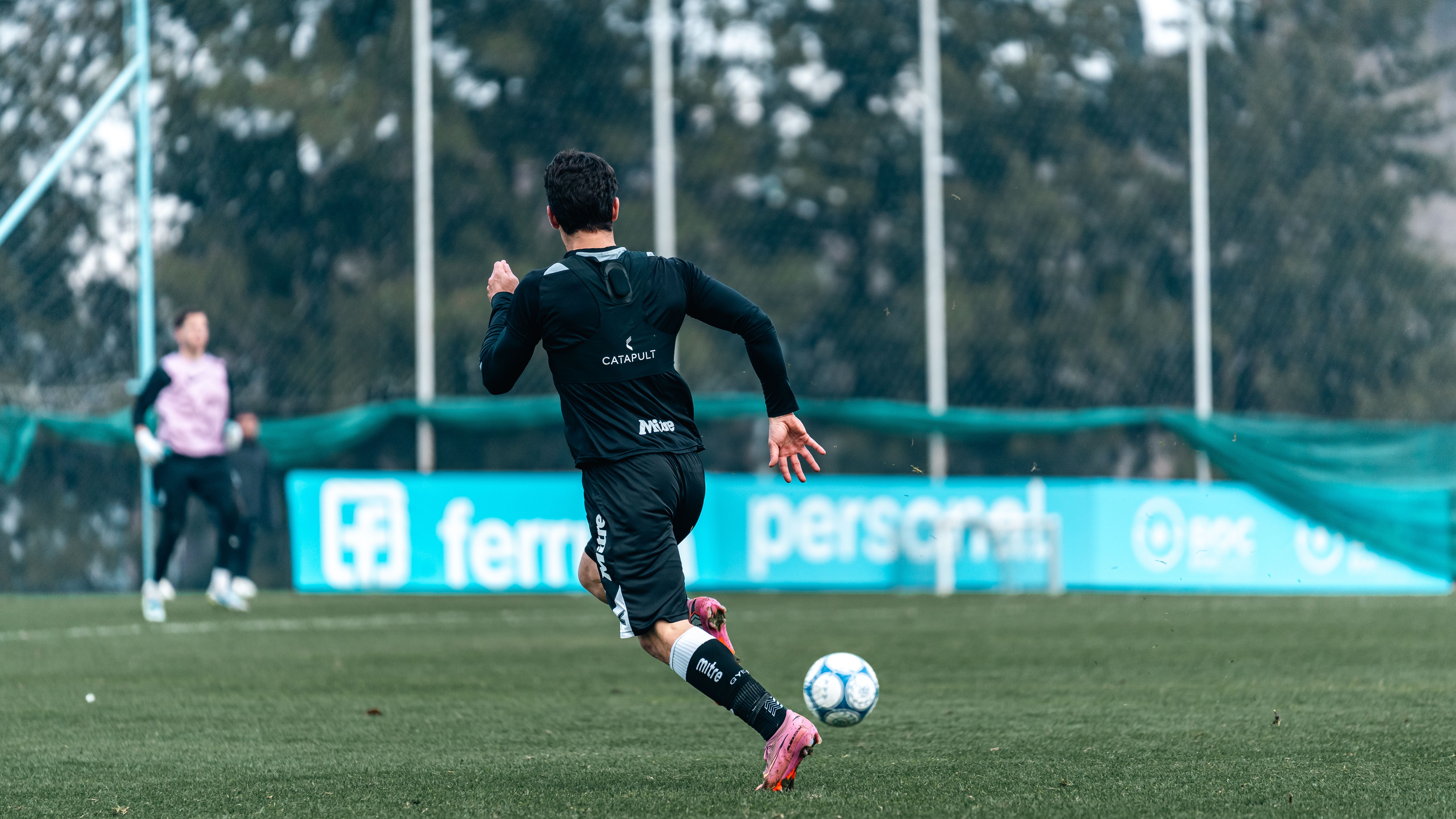
Athletes in team sports often decline gradually into lesser roles. In track and field the end usually arrives quickly, and the reason lies in how the sport's support structures respond to results.
There is no lower tier to drop into
A footballer whose level declines can move to a smaller club and continue earning. An athlete whose times slow has no equivalent destination, because meetings invite athletes on performance alone.
Invitations stop, prize money stops, and the athlete is competing at domestic level against people they were beating comfortably a season earlier.
The absence of a graded professional structure means the drop from funded athlete to unfunded is a single step rather than a slope.
Everything is tied to the same measure
Sponsorship, federation funding and championship selection are all assessed on recent results, which means a poor season removes several income sources simultaneously.
Contract reduction clauses activate, funding reviews conclude, and meeting organisers look elsewhere, all within a few months of the same set of performances.
An athlete can therefore go from fully supported to entirely self-funded without any single decision having been made about their career.
Times are unforgivingly explicit
A footballer's decline is a matter of opinion for some time. An athlete's is a number, published, comparable across years and visible to everyone including the athlete.
That clarity removes the ambiguity in which a career might otherwise continue, and it makes self-deception, which sometimes sustains athletes through a difficult phase, much harder.
Athletes frequently describe knowing precisely when it ended, because the evidence was a result they could read.
Injury converts decline into termination
Because support depends on current results, an injury that costs a season removes the funding required to rehabilitate properly and return.
The athlete then attempts a comeback with less medical access and less training support than they had before the injury, which rarely produces the required times.
Most careers described as ended by injury were in fact ended by the funding consequences of injury, which is a distinction athletes make more often than reports do.
Why preparation is so uneven
Athletes who studied or worked during their careers transition comparatively smoothly, because the alternative was already partly built when it was needed.
Those who trained full time from adolescence have the sharpest fall, arriving in a labour market with a distinguished record in something that does not translate directly.
Federations and athlete associations have expanded education and transition programmes for this reason, targeting the years before retirement rather than the moment it happens.