Basketball
Why Player Development Staff Shape Career Length
Dedicated development coaches work on individual skills outside team practice, and their presence determines whether a marginal professional improves enough to justify another contract.
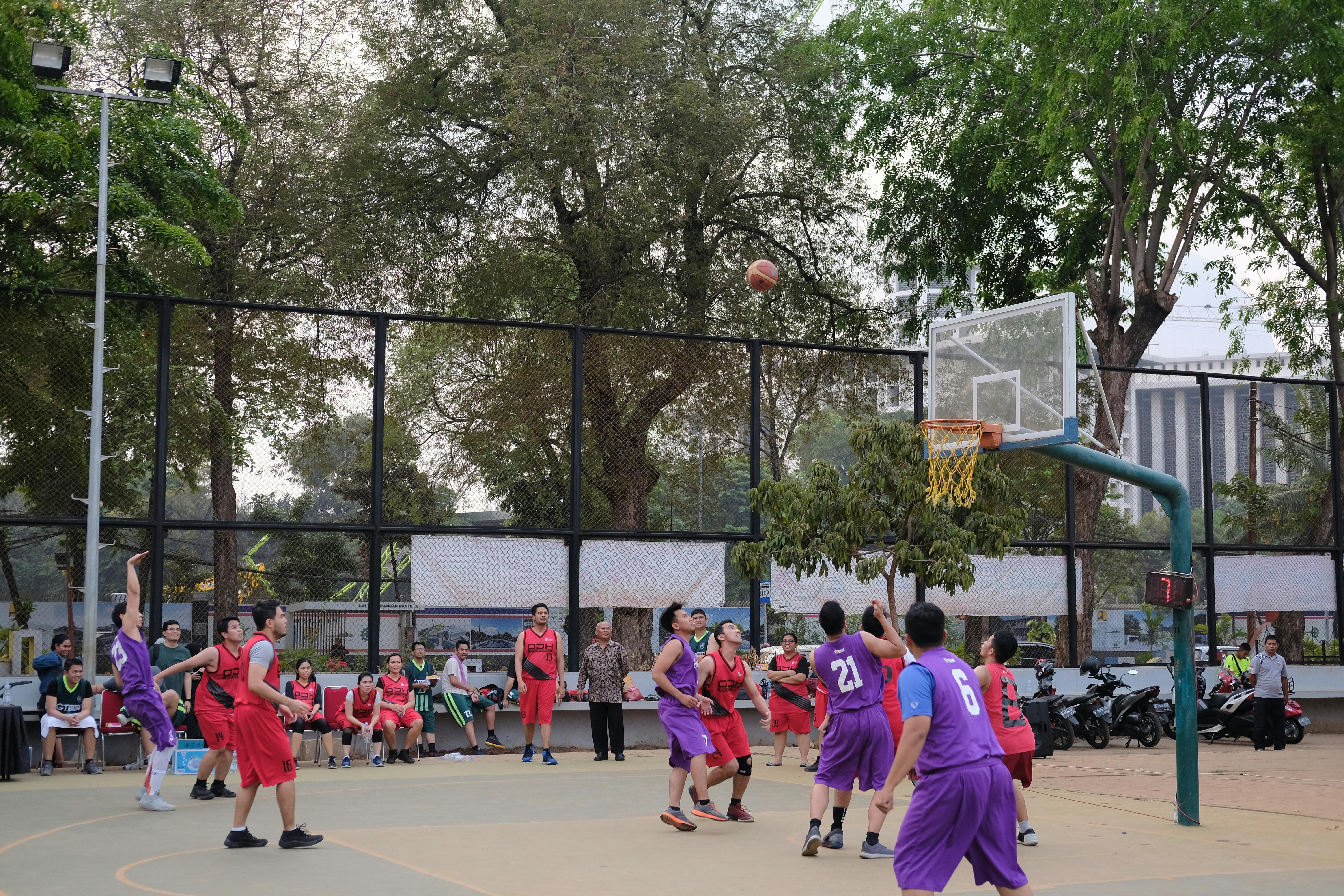
Basketball organisations employ coaches whose only responsibility is improving individual players. That role, which barely existed a generation ago, now determines a substantial number of career outcomes.
Team practice cannot do individual work
Practice time is limited and must be spent on systems, opponent preparation and collective execution, which leaves very little for rebuilding an individual's technique.
A player who needs a reworked shooting motion or a new defensive footwork pattern requires repeated sessions over months, conducted separately.
Development staff exist to provide that, and their working hours sit outside the team schedule entirely, before and after the sessions everyone else attends.
Marginal players benefit most
An established starter's role is secure and his skills largely settled, so incremental technical work has limited effect on his career.
A player on the edge of a roster who adds one reliable capability can become useful in a specific role, which is often the difference between another contract and none.
Organisations with strong development programmes therefore extract more from the bottom of the roster, which under payroll limits is where competitive advantage is cheapest.
The work is measured indirectly
Improvement is slow, and attributing it to a particular coach is difficult, so development staff are evaluated on the trajectory of players rather than on results.
That makes the role vulnerable when a coaching staff changes, since incoming head coaches bring their own people and continuity is broken.
Players frequently describe losing a development coach mid-rebuild as more disruptive than a change of head coach, because the individual relationship is where their progress lived.
It changed the summer
The off-season was historically unstructured, with players training independently and returning to camp in varying condition.
Organisations now plan individual summers, specifying technical objectives and conditioning targets, and the players who use those plans arrive measurably further along.
Because attendance is largely voluntary under most collective agreements, the programme's success depends on persuading players rather than instructing them.
Why it spread so quickly
Payroll limits mean teams cannot simply buy improvement, so producing it internally is one of the few areas where spending is unconstrained.
Development staff are inexpensive relative to players, and a single career extended or role expanded repays the cost many times over.
The competitive logic is therefore straightforward, and the role has expanded from one assistant to entire departments across most professional organisations.