IPL 2026
Why Injuries Are So Costly In An Auction League
A franchise that loses a bought player to injury cannot recover the money spent, which makes fitness assurance a central part of auction strategy and replacement rules a constant argument.
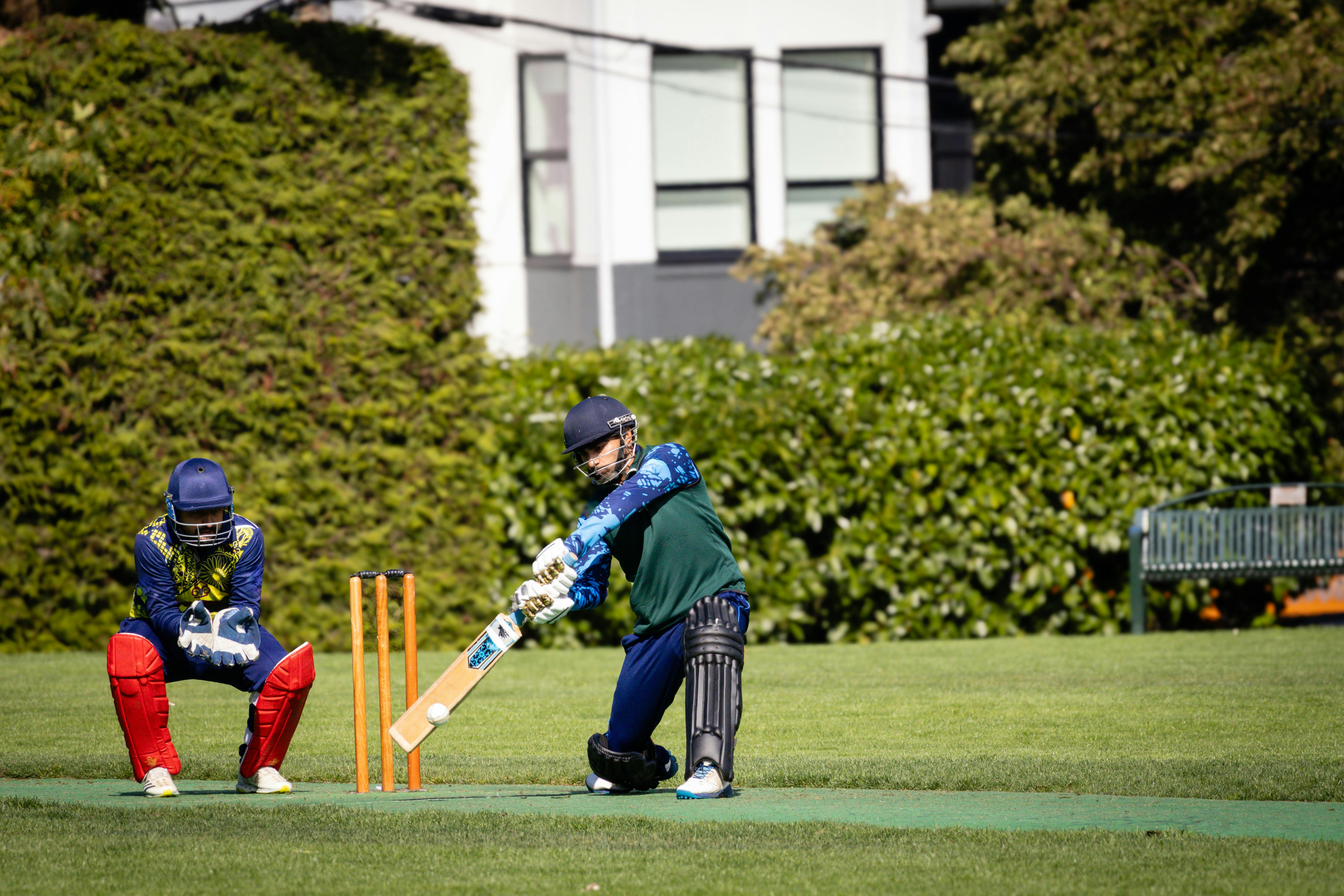
In a league where squads are assembled at auction against a fixed cap, an injury is not only a sporting loss. It is capital committed to a player who cannot be used.
The money is spent, not paused
A purchase price counts against the cap regardless of how many matches the player appears in, so an injured signing continues to occupy budget that cannot be redeployed.
Replacement rules typically allow a substitute signing, but usually within tight limits, and never with the original outlay returned to the purse.
A franchise that loses two significant players can therefore be competitively weakened for a whole season without having made a single poor selection decision.
Medical due diligence happens before the bidding
Franchises assess fitness histories in advance, since there is no opportunity to negotiate terms conditional on a medical once an auction bid is accepted.
That places unusual weight on information from national boards and previous employers, which is not always shared freely between competing interests.
Players with recent surgery or recurring soft-tissue problems consequently find bidding thin, even where the medical prognosis is genuinely good.
National boards and franchises want different things
A board that pays a central contract has an interest in a player arriving at international duty fresh, while a franchise wants the player it bought to play every match.
No-objection certificates and workload agreements are the mechanism for managing this, and they are negotiated case by case rather than by any general rule.
Players sit between the two, with the party they most need to satisfy depending on where the larger share of their income comes from.
The incentive to conceal is real
A cricketer whose auction value depends on being fit has an obvious reason not to publicise a manageable problem, particularly in the weeks before a sale.
Franchises have responded by requiring their own assessments after purchase and by writing availability expectations into player agreements.
This has professionalised the medical relationship considerably, though it has also created three sets of doctors offering opinions on the same body.
Why replacement rules are always contested
Loose replacement rules let a well-resourced franchise upgrade mid-season under the cover of an injury, which undermines the cap the auction is meant to enforce.
Strict rules leave a team unable to field a competitive side through no fault of its own, which weakens the product for spectators and broadcasters.
Leagues have generally settled on capped replacement values and approval requirements, which satisfies nobody completely and remains one of the more frequently revised regulations.