Athletics
The Science of recovery rate telemetry: Assessing Performance and Injury Risk
An exclusive analysis on recovery rate telemetry. Discover how optimizing stride frequency impacts performance and long-term athletics outcomes.

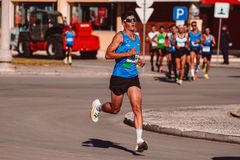
Olympic track and field performance is a battle of fractions of a second, where optimizing The Science of recovery rate telemetry: Assessing Performance and Injury Risk represents the peak of athletic biomechanics. Stride frequency and ground force application during recovery rate telemetry are tracked using high-speed camera arrays.
Analyzing energy pathways reveals that stride frequency is the primary driver of lactate clearance and sustained velocity. Muscle fiber recruitment and oxygen uptake efficiency dictate whether an athlete can maintain speed in the final sprint. See the detailed metrics below.
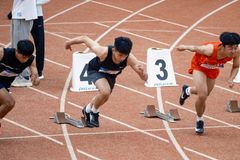
Developing training regimens based on force application metrics helps runners optimize their block starts and pacing strategies. Adapting workloads to individual recovery rates prevents tendonitis and stress fractures.
Staying ahead in The Science of recovery rate telemetry: Assessing Performance and Injury Risk requires both diligence and scientific execution. Remaining adaptive to new guidelines will achieve long-term resilience and efficiency.
Also by Marcus Reynolds
- The Science of spin bowling mastery: Assessing Performance and Injury RiskCricket
- The Science of zonal marking schemes: Assessing Performance and Injury RiskFootball
- The Science of spin bowling mastery: Assessing Performance and Injury RiskIPL 2026
- The Science of topspin RPM control: Assessing Performance and Injury RiskTennis