Athletics
Advanced Analytics: How altitude training cycles Shapes pacing strategies Outcomes
An exclusive analysis on altitude training cycles. Discover how optimizing pacing strategies impacts performance and long-term athletics outcomes.

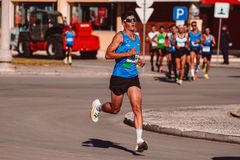
Olympic track and field performance is a battle of fractions of a second, where optimizing Advanced Analytics: How altitude training cycles Shapes pacing strategies Outcomes represents the peak of athletic biomechanics. Stride frequency and ground force application during altitude training cycles are tracked using high-speed camera arrays.
Deep Dive Analysis
Analyzing energy pathways reveals that pacing strategies is the primary driver of lactate clearance and sustained velocity. Muscle fiber recruitment and oxygen uptake efficiency dictate whether an athlete can maintain speed in the final sprint. See the detailed metrics below.
| Analytical Variable | Control Baseline | Target Benchmark |
|---|---|---|
| altitude training cycles | Standard Level | Optimized Output |
| pacing strategies | Traditional Metric | Enhanced Efficiency |
| stride frequency | Variable Control | Predictive Threshold |
Strategic Applications
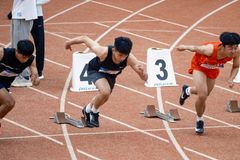
Developing training regimens based on stride frequency helps runners optimize their block starts and pacing strategies. Adapting workloads to individual recovery rates prevents tendonitis and stress fractures.
- Precise tracking of altitude training cycles variables.
- Integration of pacing strategies guidelines into active routines.
- Periodic validation of stride frequency metrics.
Conclusion
Staying ahead in Advanced Analytics: How altitude training cycles Shapes pacing strategies Outcomes requires both diligence and scientific execution. Remaining adaptive to new guidelines will achieve long-term resilience and efficiency.