Athletics
Master Sprint Science: Complete Athletics Training Guide 2026
Expert athletics training guide covering sprint science. Professional drills, workout plans, and technique tips to elevate your game in 2026.

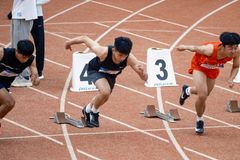
Whether you're an aspiring athlete or a weekend warrior, mastering sprint science in athletics requires dedicated, science-based training. This comprehensive guide breaks down the reaction time and block start fundamentals that separate elite performers from the rest.
Start with 3 sets of progressive reaction time drills, each lasting 20 seconds with 30 second rest periods. Focus on maintaining proper form throughout — block start technique breaks down when fatigue sets in, and bad habits formed in training carry over to competition. Record yourself and compare against the benchmarks below.
The key to elite drive phase lies in body positioning and timing. Dr. Nisha Reddy, our sports science consultant, recommends the following progression: First, isolate the movement pattern at 50% intensity. Then gradually increase to match speed over 4 weeks. Pay special attention to maximum velocity — this is where most athletes plateau.
Training for sprint science demands a balanced approach to recovery. Incorporate 2 rest days per week, with active recovery sessions focusing on mobility and flexibility. Nutrition timing matters — consume 20g of protein within 30 minutes post-training to optimize muscle repair and block start development.
Mon/Wed/Fri: reaction time drills + drive phase practice. Tue/Thu: Strength & conditioning for maximum velocity. Sat: Match simulation. Sun: Active recovery and film analysis.